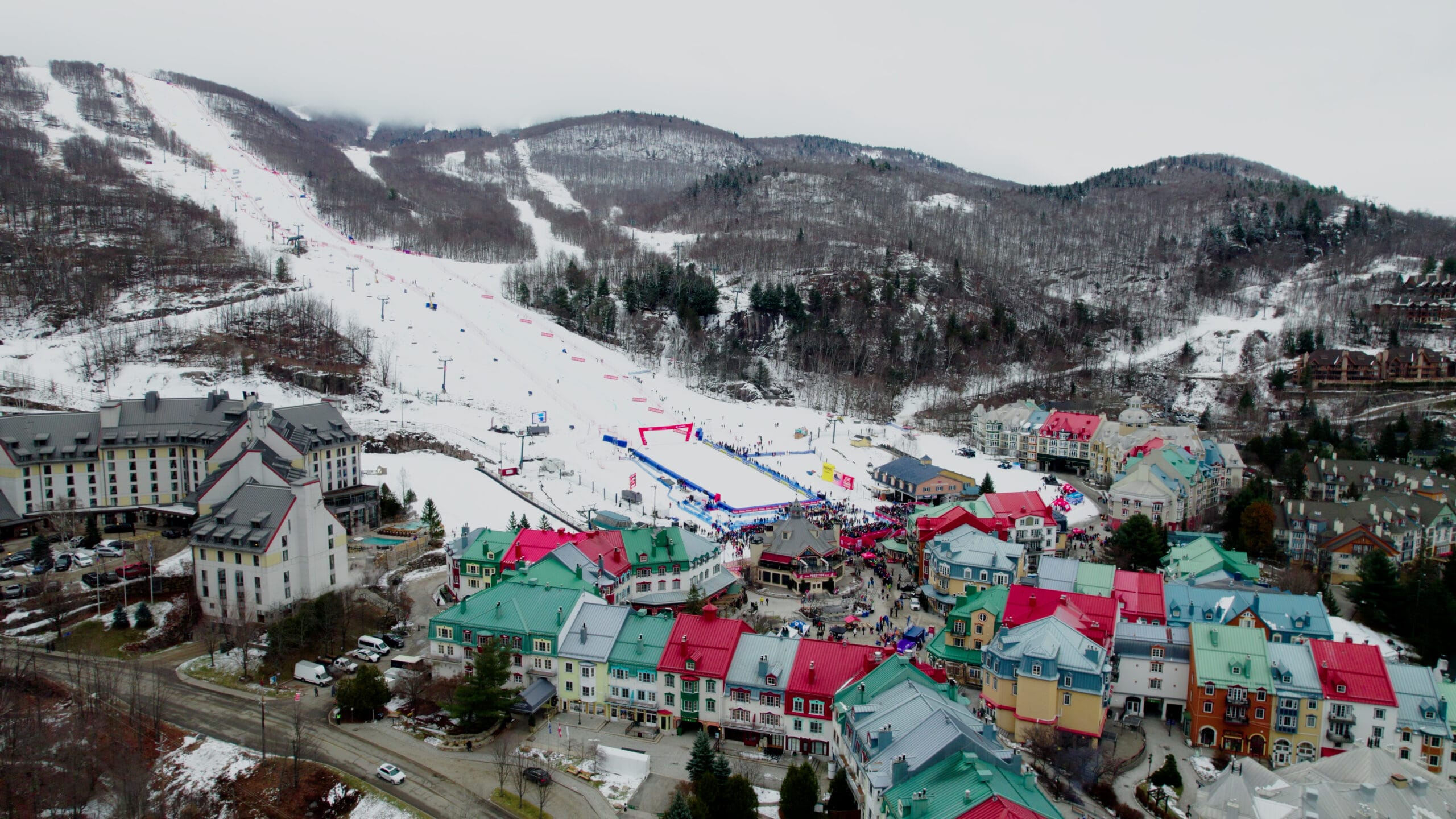
From the steep pitches at the top to the final push toward the finish, the Flying Mile asks athletes to adapt throughout their run. Its combination of technical terrain, speed and a finish surrounded by spectators makes it a natural stage for World Cup giant slalom racing.
Let’s Break Down the Flying Mile
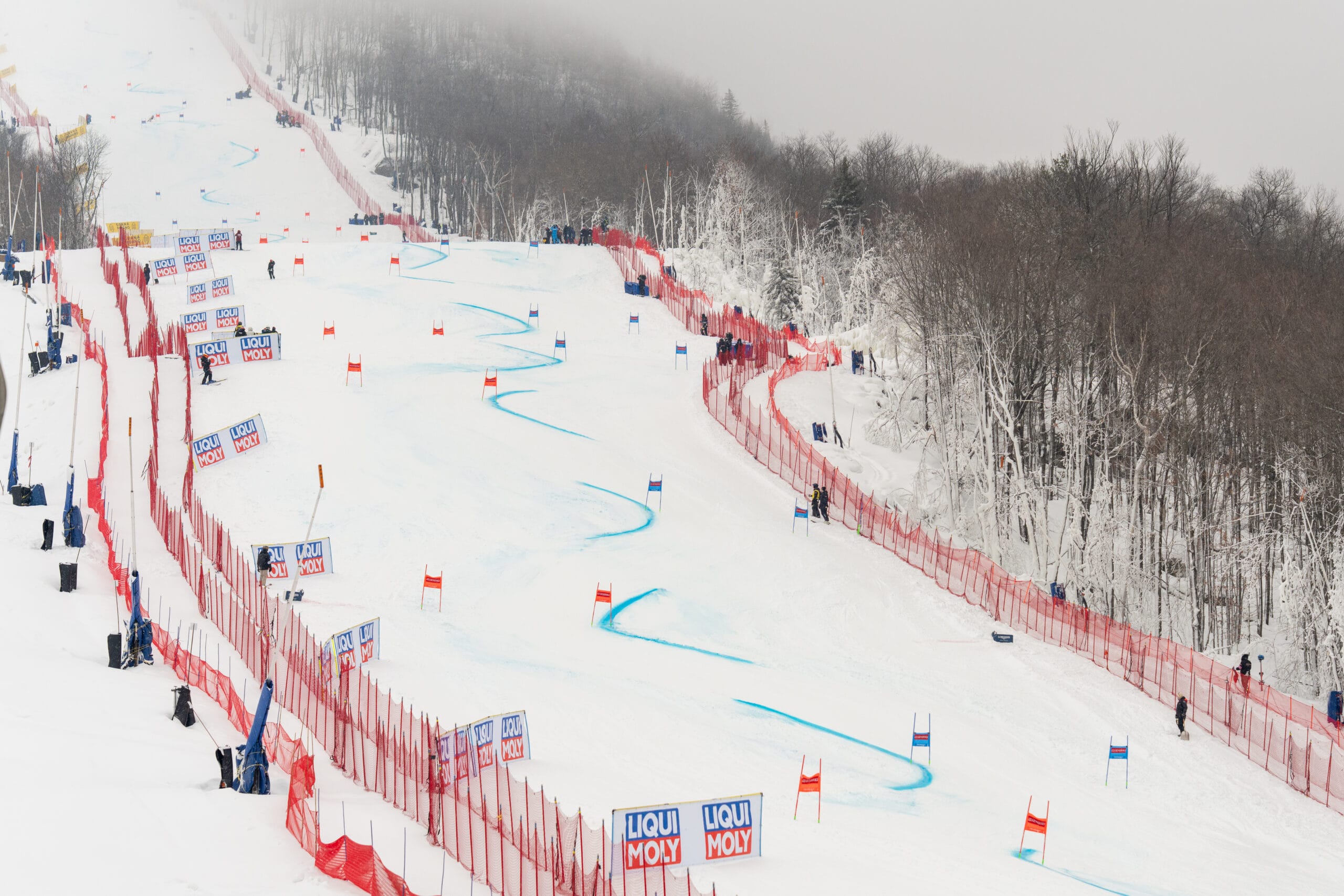
A giant slalom run on the Flying Mile is not the same from top to bottom. The terrain changes along the way, and each section brings its own challenge. For the athletes, the key is knowing when to attack, when to preserve speed and when to give it everything on the way to the finish.
The Top: Precision Comes First
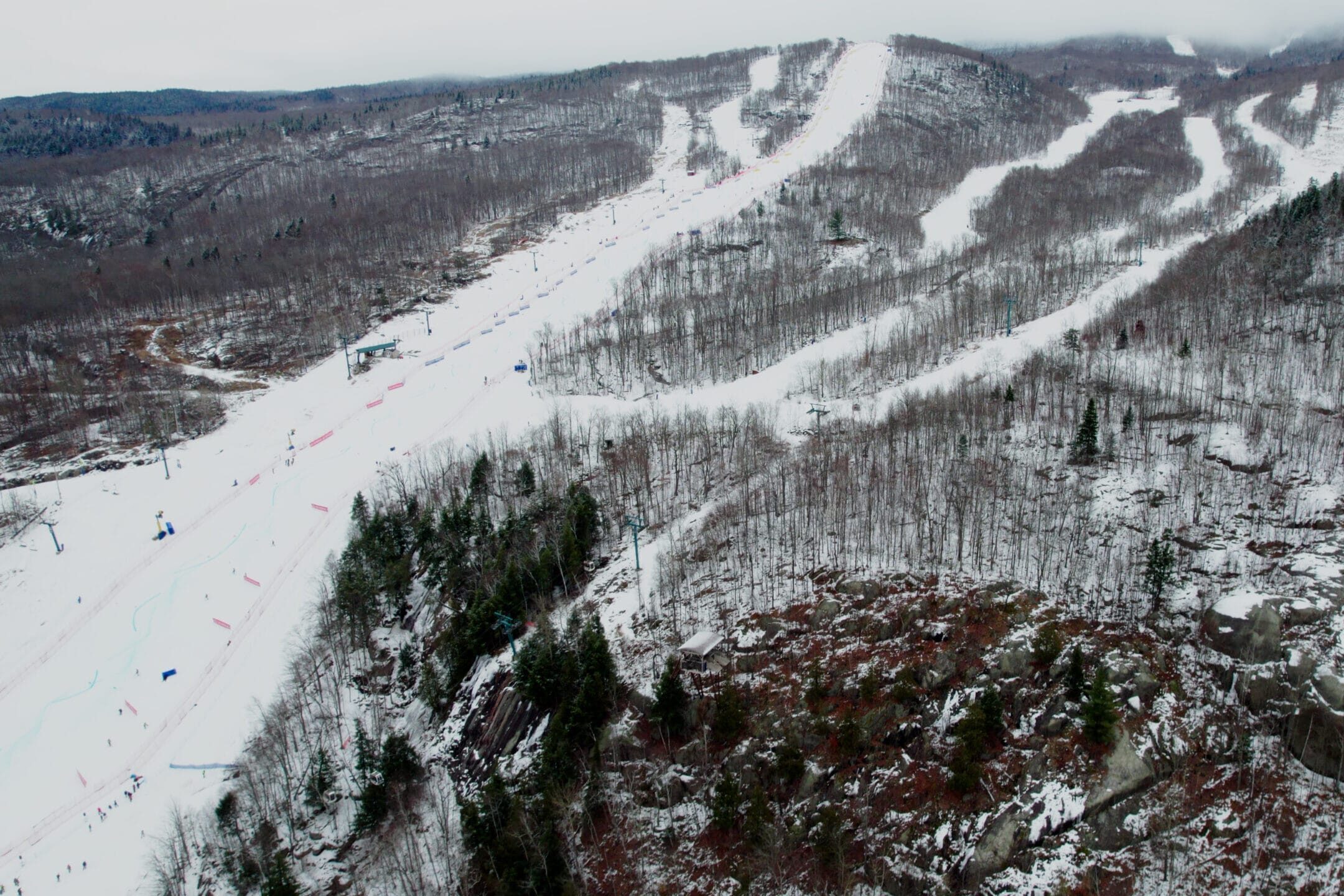
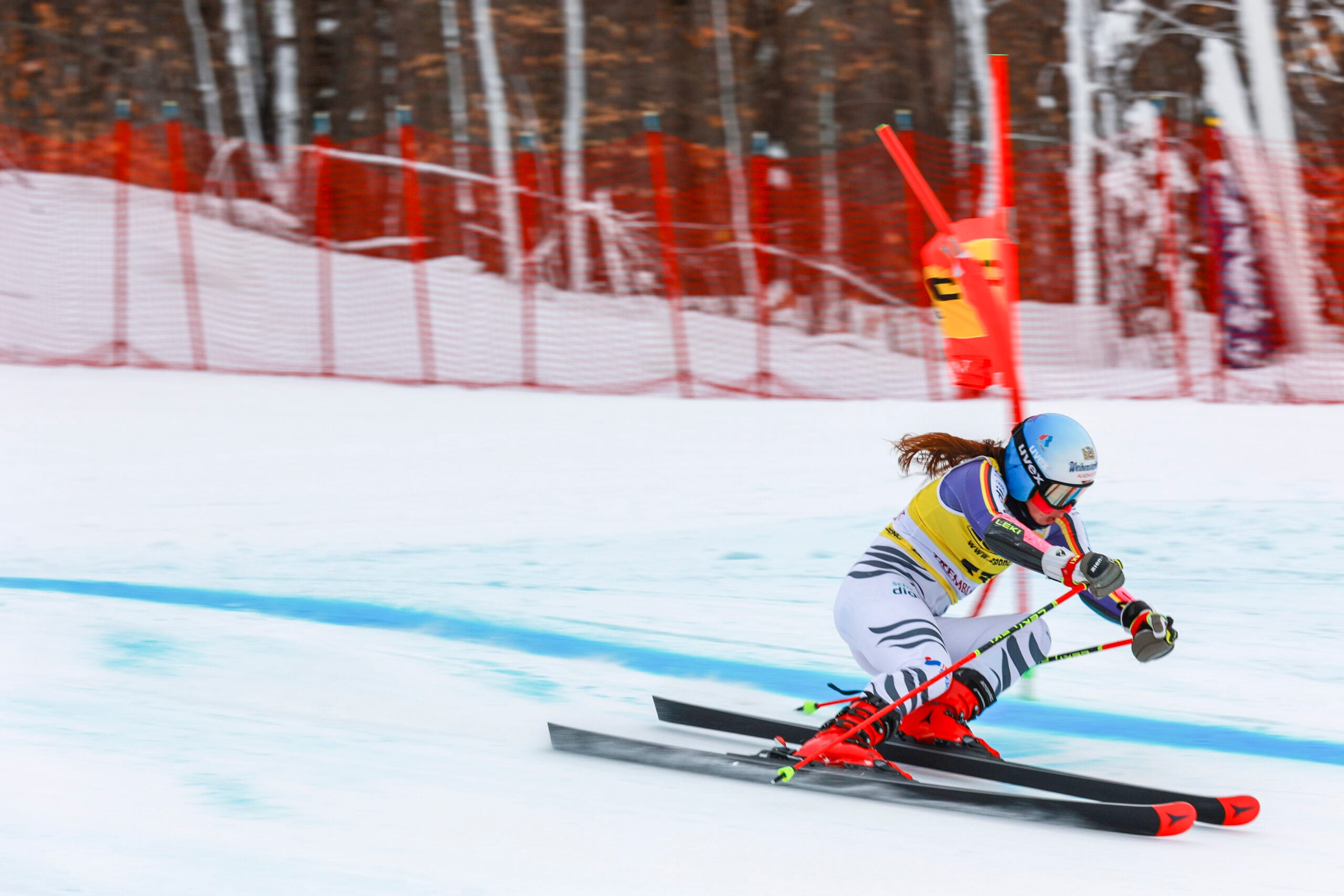
The race begins on some of the most demanding terrain of the Flying Mile. The upper pitches are steep and technical, with changes in angle that require athletes to be precise with their line and timing through the gates. A small mistake can quickly cost speed, making clean turns and control essential from the very first gates.
The challenge is also about setting up the rest of the run. Athletes need to attack the steep section while building enough speed and momentum to carry into the flatter terrain below.
The Middle: Maintaining Speed
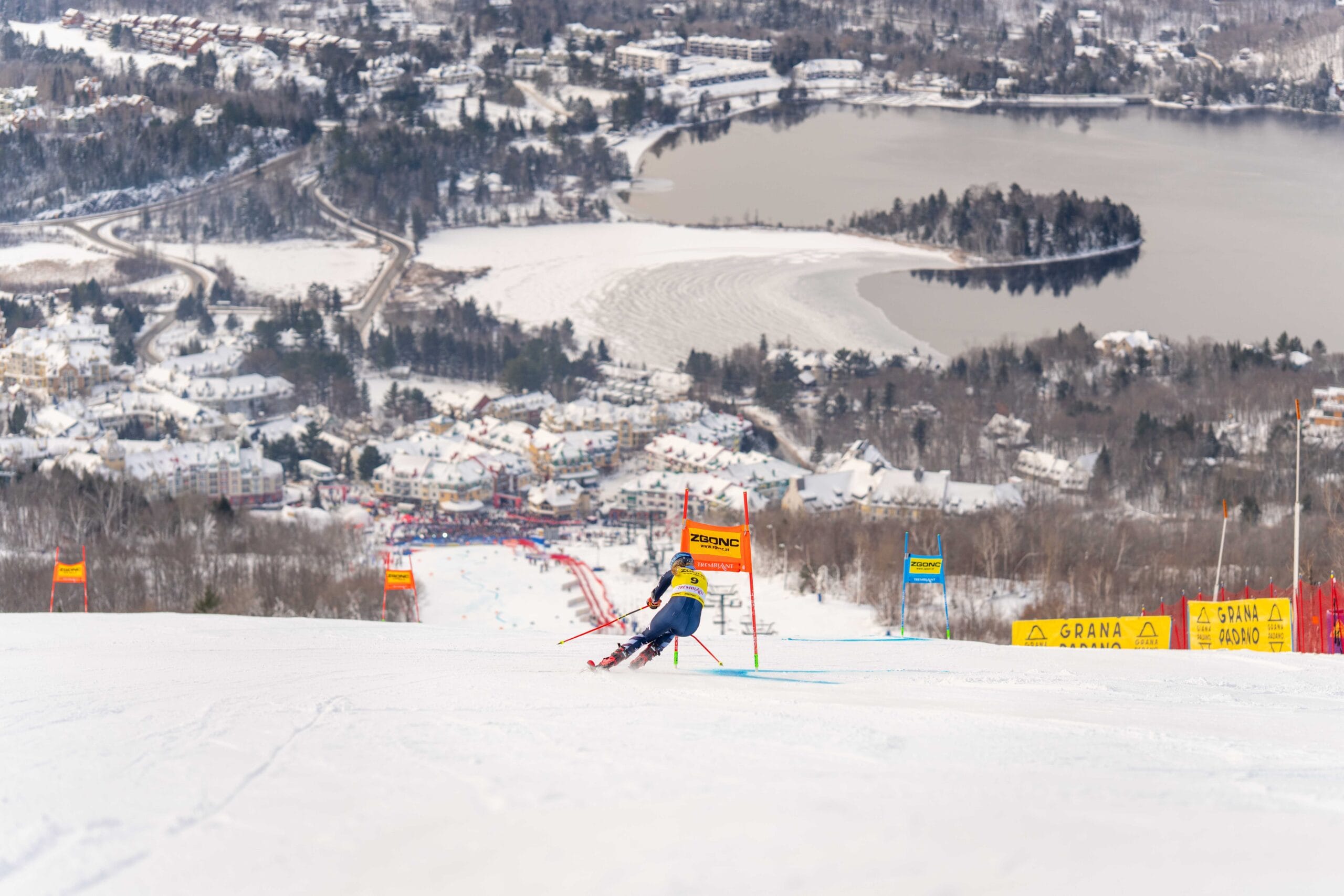
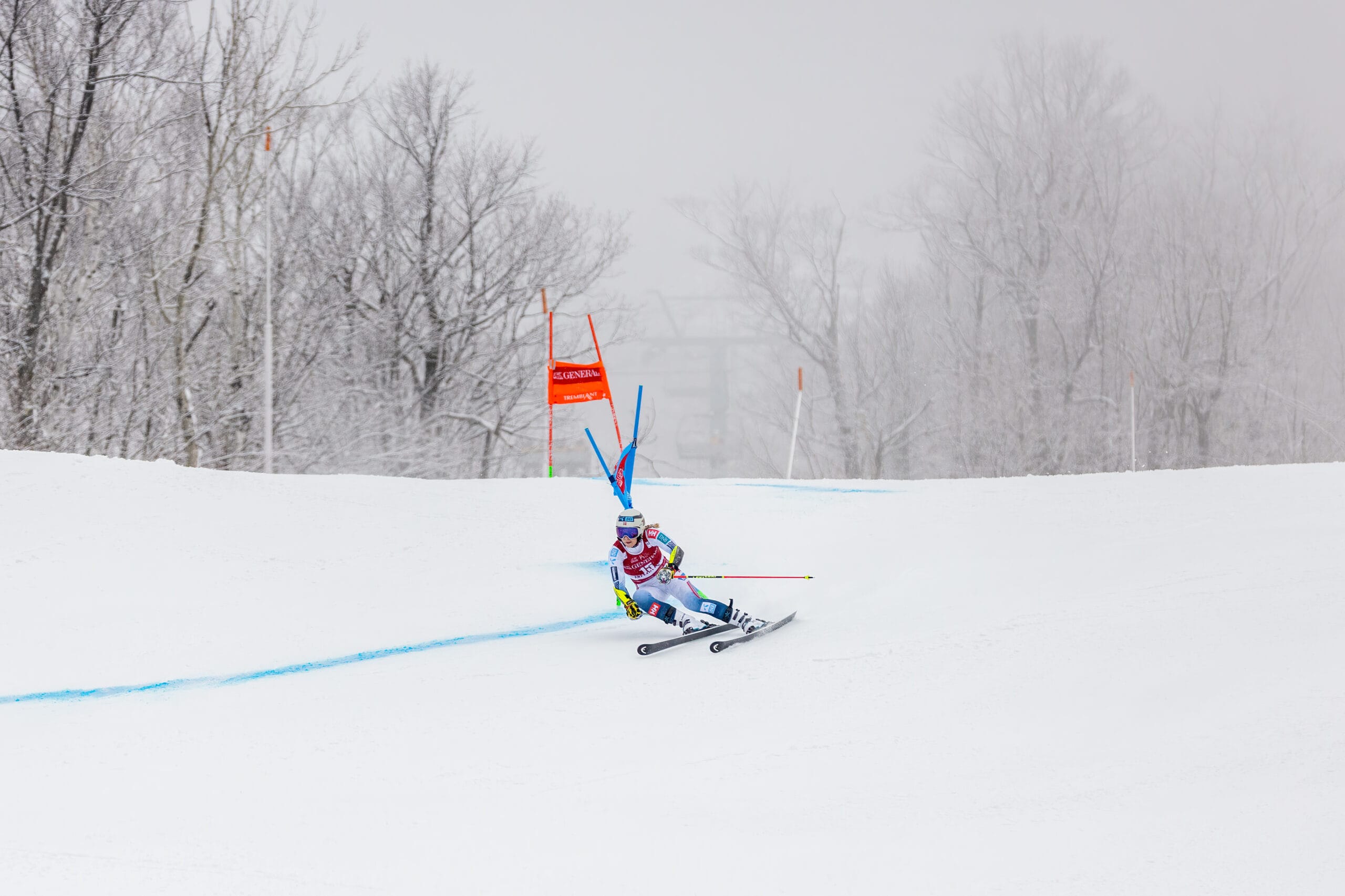
As the course flattens out, the challenge changes. This section may look easier at first glance, but the rollers and changes in terrain make it particularly demanding. Athletes have to navigate these variations while maintaining the speed and momentum they built in the steeper section above.
It is also a section where a small mistake can have big consequences. Misreading a roller or taking the wrong line can cause an athlete to miss a gate or even lose control. The key is precision and finesse on the edges, allowing the skis to run, absorb the changes in terrain and carry as much speed as possible without losing control.
For course setters, this section also offers opportunities to create combinations that test rhythm, line choice and an athlete’s ability to adapt to the terrain. The challenge is finding the right balance between letting the skis run and maintaining enough control to set up the next section of the course.
The Bottom: Race to the Finish
The final pitch, known as the Johansson pitch, brings back steeper terrain and gives athletes one last opportunity to accelerate. After a demanding run, they need to stay focused and find another gear when every turn counts.
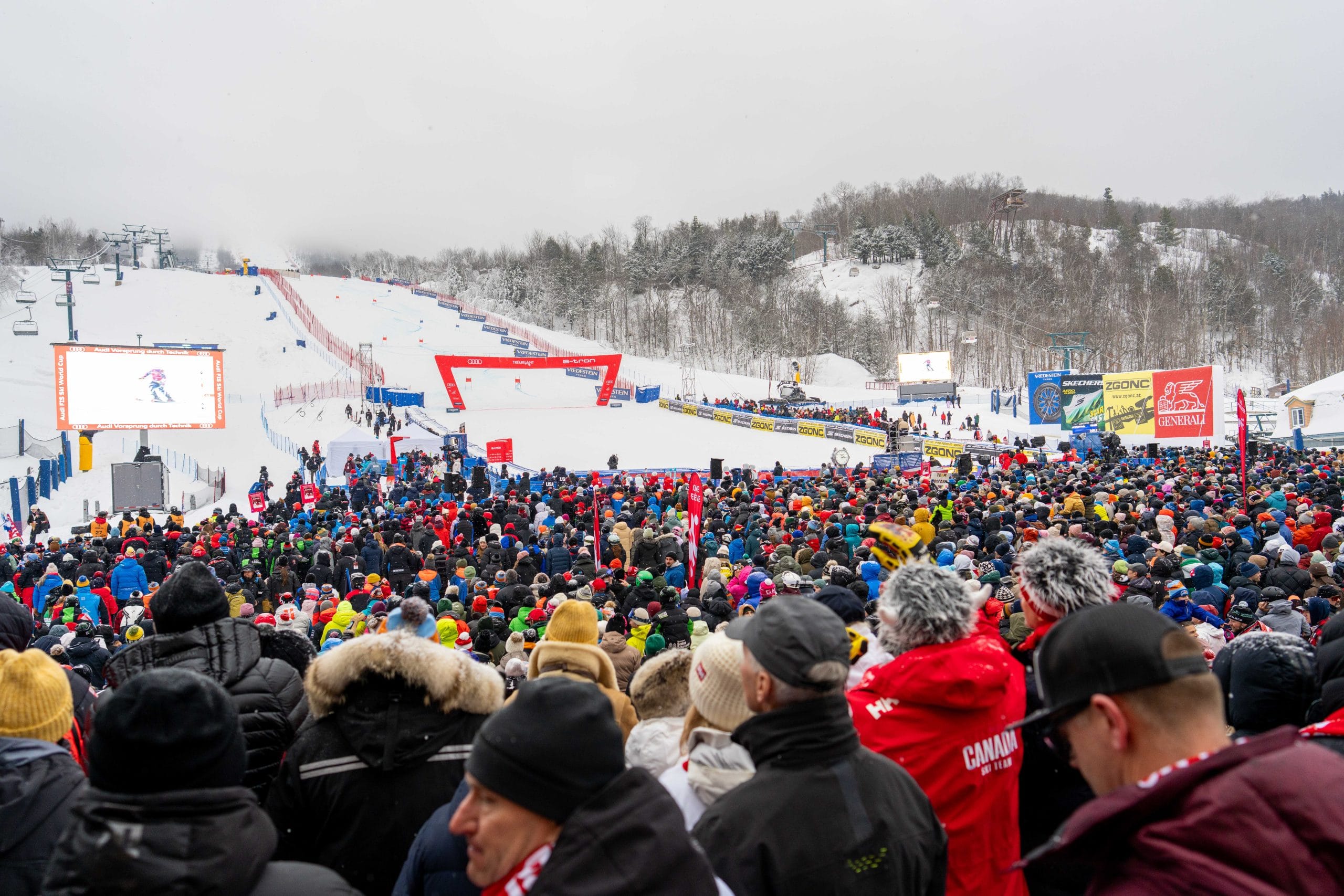
Then comes one of the Flying Mile’s defining features. The finish is located right in the heart of Tremblant’s pedestrian village, bringing athletes directly into the energy of the crowd. For spectators, it means experiencing those final moments of the race up close, as athletes make their last push to the finish line.
A Flying Name for a Racing Trail
And there is a fun fact behind the name. When Tremblant founder Joseph Ryan named the trail in 1939, he chose Flying Mile after one of his racehorses. The name was connected to racing long before the trail became a World Cup venue.
More than 85 years later, the name feels particularly fitting. The Flying Mile now brings together steep technical skiing, speed, strategy and the excitement of competition, making it a course where every section has a role to play and every second counts.
A World Cup Course with History
There is also a deeper reason why the Flying Mile feels like the right place for World Cup racing.
The trail has a long connection to competitive skiing at Tremblant. The Flying Mile hosted a Women’s World Cup giant slalom in 1983, making its return to the World Cup circuit more than four decades later a continuation of that history.
Today, the course has been transformed and prepared to meet the demands of modern World Cup racing, with significant work on the trail and its infrastructure. Improvements have included work to ensure consistent snow coverage and course conditions, as well as upgrades to snowmaking capacity and the race area.
Dig deeper: Tremblant’s Ski Racing Legacy Shines in Women’s FIS World Cup